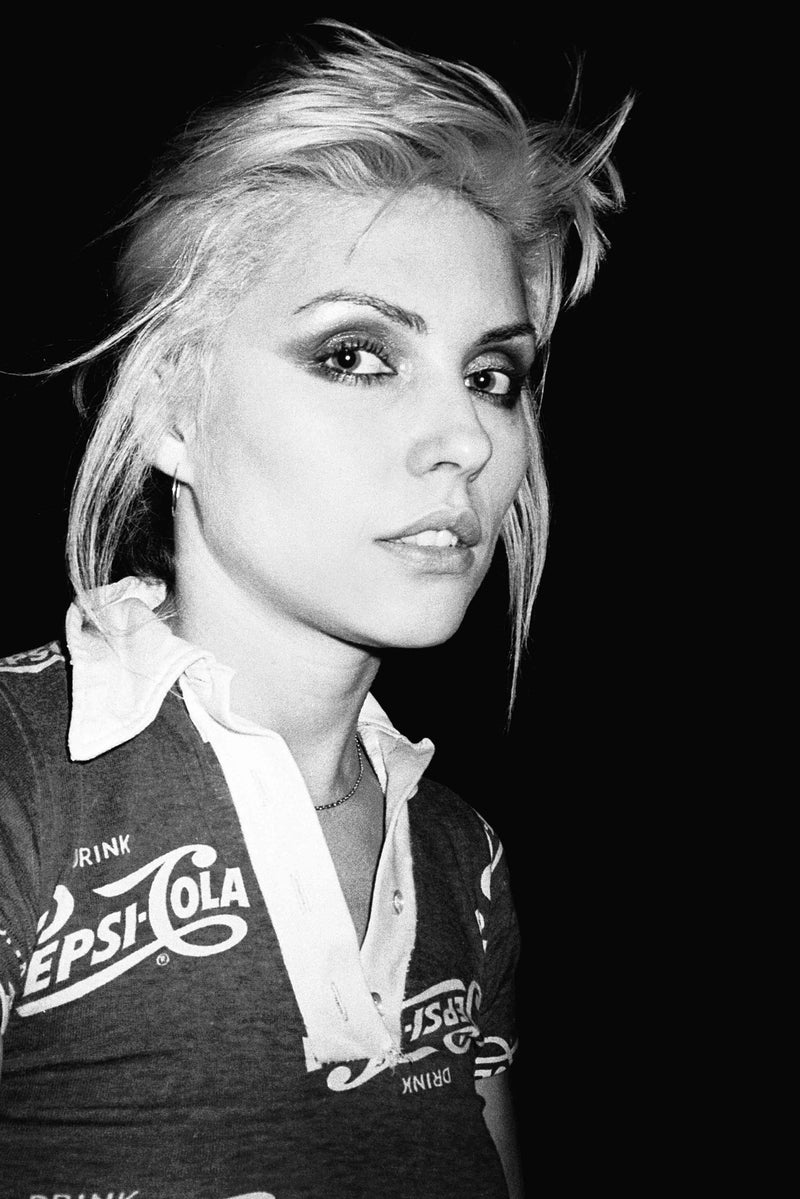
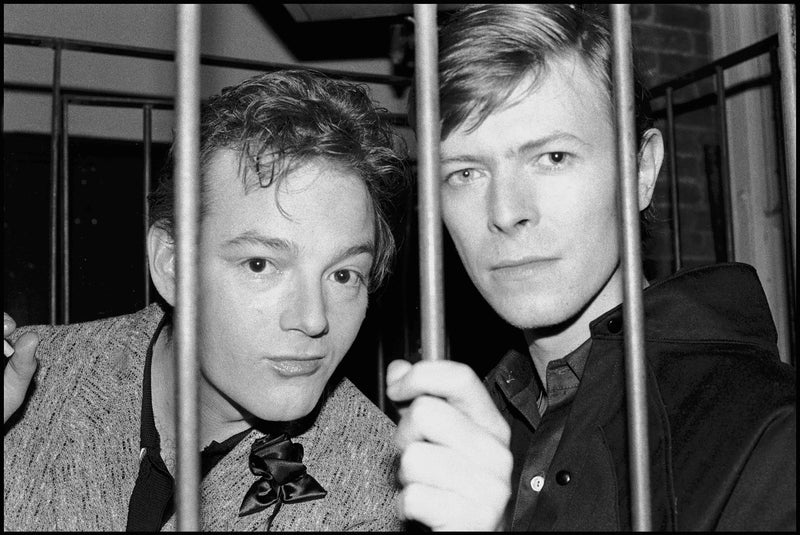
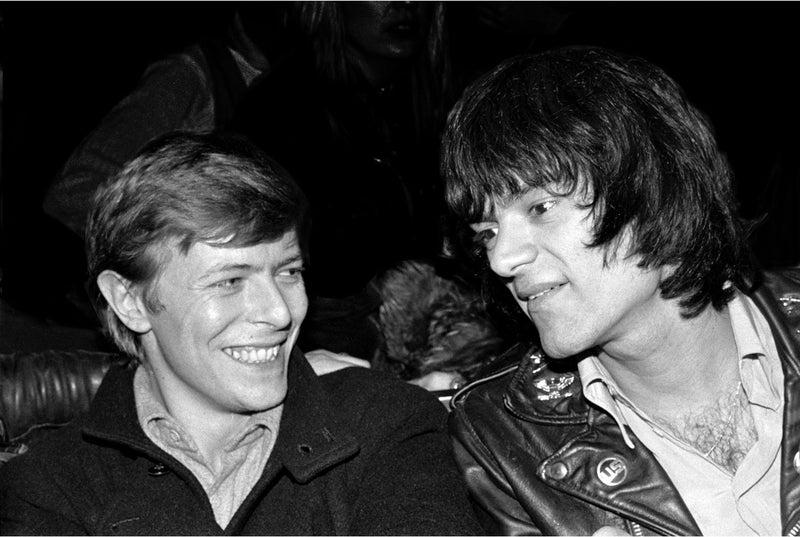
Bobby Grossman is one of the most important visual chroniclers of New York's downtown cultural renaissance of the late 1970s and early 1980s. From the Chelsea Hotel and Andy Warhol's Factory to CBGB, the Mudd Club, and the East Village, Grossman produced an intimate photographic record of the artists, musicians, writers, and cultural figures who transformed contemporary art, music, and popular culture.
A graduate of the Rhode Island School of Design, Grossman arrived in New York in 1976 and quickly became immersed in the city's emerging punk and new wave scenes. While assisting artist Richard Bernstein, whose iconic covers helped define Interview magazine, he gained access to Warhol's circle while simultaneously documenting the cultural revolution unfolding across downtown Manhattan.
Unlike many photographers who approached the scene as observers, Grossman was part of the community he photographed. His close friendships with artists, musicians, and performers gave him extraordinary access, resulting in images that feel immediate, spontaneous, and deeply personal. His subjects included Andy Warhol, Jean-Michel Basquiat, Debbie Harry, David Bowie, Iggy Pop, Lou Reed, Patti Smith, Talking Heads, The Ramones, William S. Burroughs, and many of the defining figures of the era.
His photographs appeared in publications including Rolling Stone, Interview, Artforum, The Village Voice, Soho Weekly News, The New York Times, Vogue, and MTV. He also produced promotional imagery for numerous musicians and artists, including the cover photograph for Talking Heads' landmark 1977 release Psycho Killer.
As the official photographer of Glenn O'Brien's legendary television program TV Party, Grossman documented one of the most influential intersections of art, music, film, and nightlife in New York history. His work was included in two landmark exhibitions that helped define the cultural landscape of the period: Colab's historic Times Square Show (1980) and Diego Cortez's groundbreaking New York/New Wave exhibition at P.S.1 (1981).
Since then, Grossman's photographs have appeared in major museum exhibitions, publications, and documentaries devoted to contemporary art, punk, no wave, and downtown culture. His images have been reproduced in numerous biographies of Andy Warhol, Jean-Michel Basquiat, Blondie, Lou Reed, and William S. Burroughs, while his archive has contributed to acclaimed films including Jean-Michel Basquiat: The Radiant Child, Blank City, William S. Burroughs: A Man Within, and Boom for Real: The Late Teenage Years of Jean-Michel Basquiat.
Today, Bobby Grossman's photographs are recognized as an essential visual record of New York's downtown cultural renaissance and its lasting influence on contemporary art, music, and popular culture.