Born in Westchester County, New York, in 1937, Rowland Scherman emerged as one of the defining photographic voices documenting the cultural and political transformation of the United States during the 1960s.
After studying art at Oberlin College and training in the darkroom department at Life magazine in the late 1950s, Scherman became the first official photographer of the Peace Corps in 1961. His early work reflected a direct engagement with questions of identity, public image, and social change — themes that would continue throughout his career.
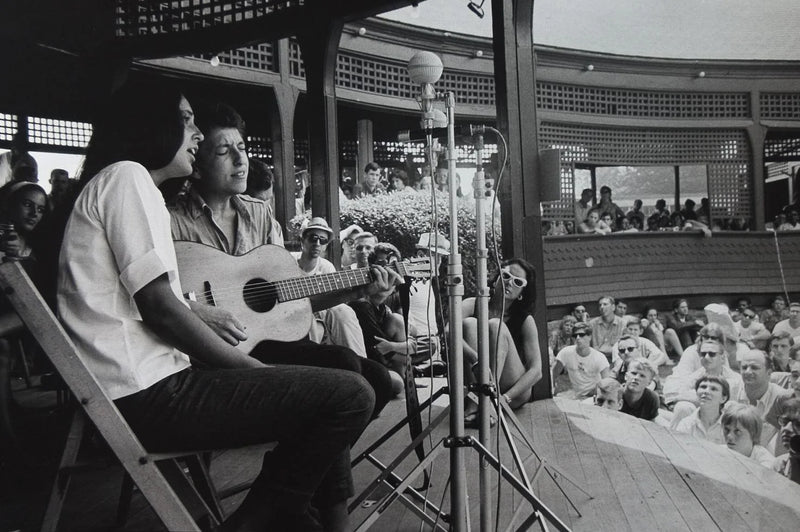
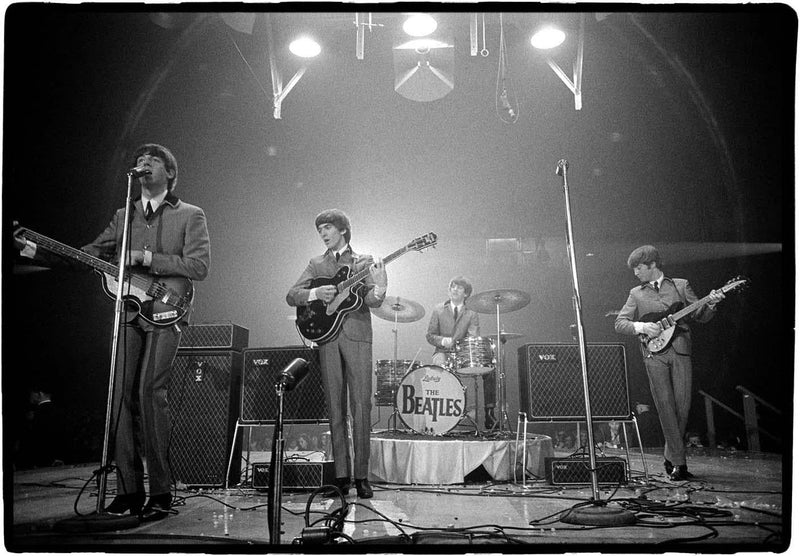
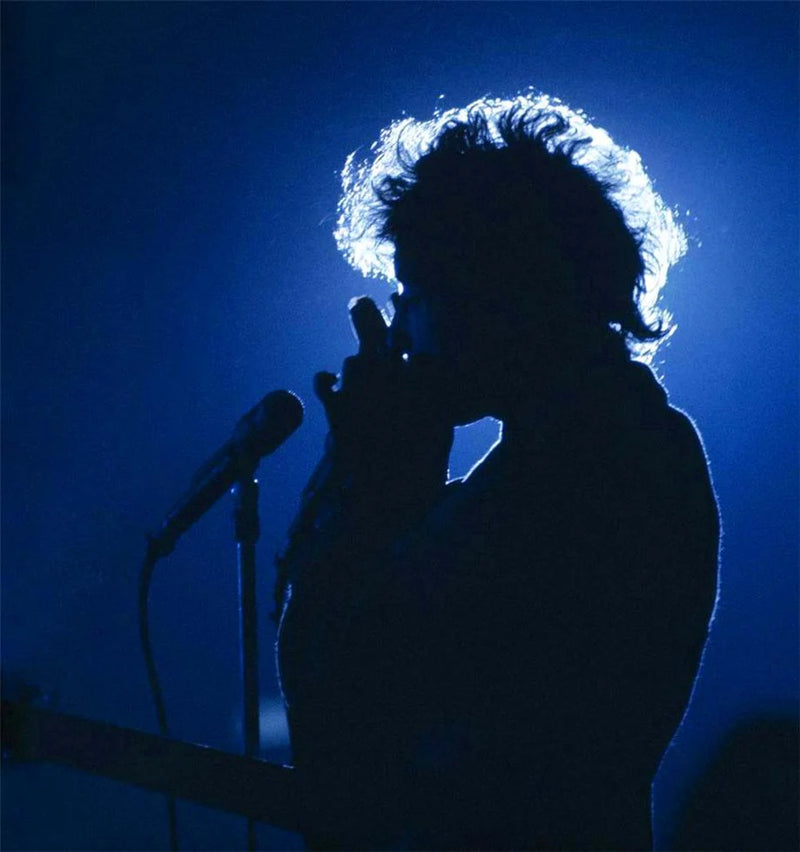
Working with unusual proximity to many of the era’s most significant cultural moments, Scherman photographed figures such as Bob Dylan, Joan Baez, and The Beatles at pivotal stages in their rise, producing images that helped define the visual language of a generation. His photographs are marked by immediacy and clarity, balancing documentary observation with a strong sense of authorship.
Beyond music, Scherman documented major historical events including the March on Washington, Woodstock, and the Newport Folk Festival, while contributing regularly to publications such as Life, Time, and National Geographic.
In 1968, he received a Grammy Award for the cover photography of Bob Dylan’s Greatest Hits, further cementing his place within the visual history of contemporary culture.
Over the decades, Scherman’s practice expanded into more personal and regional bodies of work, maintaining a consistent interest in place, presence, and the conditions under which images are made. Today, his photographs remain both historical documents and enduring works of photographic authorship.